
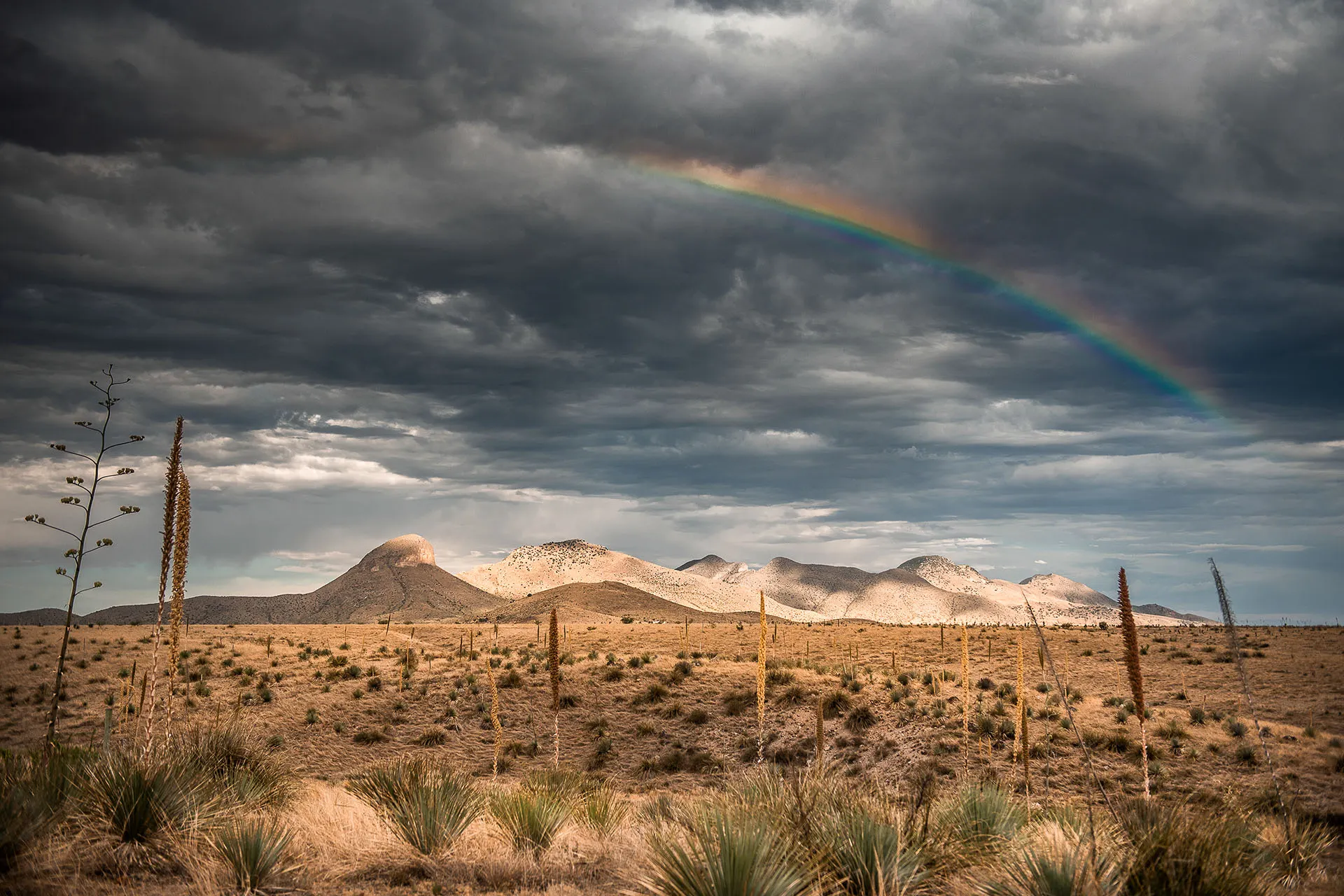
Sonoita sits at the junction of AZ-82 and AZ-83 in the high-desert grasslands of Santa Cruz and Pima counties, and it is the center of the Sonoita American Viticultural Area, Arizona's first officially recognized wine region. Dozens of vineyards and tasting rooms operate within a short drive of the crossroads, and wine tourism, along with the ranching and rodeo culture that predates it, defines the character of any event held here.
The Sonoita Fairgrounds, home to the Santa Cruz County Fair and to horse racing and rodeo events through the year, is the one property in the area built for a real crowd, with grandstand seating, open grounds for parking and staging, and the infrastructure for a multi-day public event. Outside the fairgrounds, most Sonoita venues are individual wineries and ranch properties, each with its own small event space, tasting room, or outdoor pavilion, none of them built for a large trade-show floor.
A Sonoita program is almost always one of two things: a wine-country event tied to a specific vineyard or a cluster of tasting rooms, or a fairgrounds-scale public event tied to the county fair calendar, and those two paths call for very different vendor lists, staffing plans, and load-in logistics.
Execution priorities for Sonoita, AZ
- Identify whether the program is winery-based or fairgrounds-based before locking a venue or vendor list.
- Budget close to an hour of drive time on AZ-83 or AZ-82 from the Tucson crew base to Sonoita.
- Check the Santa Cruz County Fair and fairgrounds racing calendar for date conflicts before booking.
- Plan outdoor, high-desert-grassland staging with wind and dust exposure in mind for winery events.
- Coordinate directly with individual winery hosts, since tasting rooms typically run their own small events team.
Arizona's original wine country
The Sonoita AVA, established in 1984, was Arizona's first recognized wine appellation, and the high elevation, around 4,500 feet, combined with the region's limestone-rich soil gives the area a genuinely distinct wine identity rather than a novelty one. Dozens of wineries operate within a short drive of the AZ-82/AZ-83 crossroads, many with their own tasting rooms, event lawns, and small production facilities open to visitors.
That wine-country identity is the reason most outside groups choose Sonoita for a program: a corporate retreat, a private celebration, or an industry gathering that wants a working vineyard as a backdrop rather than a generic banquet hall.
The Sonoita Fairgrounds
The Santa Cruz County Fairgrounds in Sonoita hosts the county fair, horse racing meets, and rodeo events, and it is the one property in the area with the grandstand seating, open grounds, and vendor infrastructure to support a genuinely large public event. Programs tied to agriculture, ranching, or regional community gatherings are a natural fit for the fairgrounds in a way that a private corporate meeting usually is not.
Because the fairgrounds run their own calendar of racing and fair dates, any outside booking needs to check that schedule early, since the busiest fairgrounds weeks bring in enough regional traffic to affect hotel and rental availability well beyond the grounds themselves.
Individual winery and ranch venues
Outside the fairgrounds, Sonoita's event capacity is spread across individual wineries and ranch properties, each with a small tasting room, outdoor pavilion, or event lawn rather than an enclosed hall built for staging and rigging. Working with a specific winery host means working within their existing tasting-room hours, their own wine and food service, and whatever outdoor space they have set aside for private events, which typically caps attendance well below what a fairgrounds or resort property could handle.
Coordinating multiple wineries into one larger progressive event, a wine-trail-style program that moves guests between two or three tasting rooms, is realistic in Sonoita and is a format worth considering for a group that wants the wine-country character without overloading a single small venue. Transportation between stops, whether shuttle vans or a chartered coach, needs to be arranged directly, since most properties sit several miles apart along AZ-82 and AZ-83 with no walkable connection.
Drive time and freight from Tucson
Sonoita sits close to an hour southeast of the Tucson crew base via AZ-83, a scenic two-lane route through the Santa Rita foothills that is slower and more exposed to weather than the interstate runs to the border markets. Winter storms and summer monsoon activity can both affect travel time on this route, and any Sonoita booking during those seasons should build a wider buffer into the crew and freight schedule than a straight-interstate job would need.
Freight delivered to an individual winery needs specific directions and often a call ahead, since many properties sit on unmarked ranch roads off the highway rather than a standard commercial address.
Crew and staffing reach
As with the other satellite markets, skilled event labor is based in Tucson rather than locally, so a Sonoita job carries a full crew-travel cost on both ends of the drive. Fairgrounds-scale events typically need a larger outside crew, since the grounds themselves provide space but not staffing, while winery events can lean more heavily on the host property's own tasting-room and hospitality staff for a portion of guest service. Rodeo and racing weekends at the fairgrounds bring in their own contracted labor for the sporting side, which is separate from any production crew hired for an adjacent private booking.
Outdoor staging in high-desert grassland
Much of Sonoita's usable event space, at both the fairgrounds and individual wineries, is outdoors, and the region's grassland setting brings wind, dust, and sharp day-to-night temperature swings that a downtown Tucson indoor venue never has to plan around. Tenting, weighted staging, and a weather contingency plan are standard considerations for any Sonoita program rather than optional extras. Evening events in particular need a heating plan, since temperatures at this elevation drop quickly after sunset even when the daytime high felt like a typical Tucson afternoon.
Seasonal timing
Fall, coinciding with harvest season at the local wineries, is Sonoita's highest-demand period for wine-country events, and it overlaps with a busy fall run of fairgrounds activity as well. Spring is a secondary peak, with milder weather than summer's monsoon season. Programs targeting a fall harvest date should book well ahead, since winery event calendars and fairgrounds dates both fill early for that window.
Comparing Sonoita to the border markets
Sonoita is not part of the Nogales-Rio Rico-Tubac corridor along I-19, despite being roughly the same distance from Tucson. It sits on a different highway, in a different landscape, and its event identity, wine country and ranching rather than border commerce or arts-village history, has essentially nothing in common with those southern markets beyond the shared drive time from the Tucson base.
The realistic Sonoita event mix
In practice, Sonoita bookings split between wine-country private events, corporate retreats, and celebrations hosted at individual wineries, and larger public or agricultural events tied to the county fairgrounds. Neither path supports a conventional trade-show floor, and programs that need one are better sited in Tucson or, for a resort setting, in Rio Rico.
What buyers ask about Sonoita, AZ
Is Sonoita, AZ actually a wine region?
Yes. The Sonoita AVA, established in 1984, was Arizona's first officially recognized wine appellation, and dozens of wineries and tasting rooms operate in the area around the AZ-82/AZ-83 crossroads.
What is the largest event venue near Sonoita?
The Santa Cruz County Fairgrounds in Sonoita, which hosts the county fair, horse racing, and rodeo events on grounds built for a genuinely large public crowd, unlike the smaller winery and ranch venues in the area.
How far is Sonoita from the Tucson crew base?
Close to an hour southeast via AZ-83, a two-lane scenic route through the Santa Rita foothills that runs slower than an interstate trip and is more exposed to winter and monsoon weather.
Can multiple wineries be combined into one event in Sonoita?
Yes. A progressive wine-trail-style program that moves guests between two or three tasting rooms is a realistic format for a group that wants the wine-country character without overloading a single small venue.
When is peak season for a Sonoita wine-country event?
Fall, during the local harvest season, is the busiest period for both winery events and fairgrounds activity, so programs targeting that window should book venues and vendors well ahead.
Does Sonoita connect to the Nogales-Rio Rico-Tubac markets?
Not directly. Sonoita sits on a different highway corridor with a different landscape and event identity, wine country and ranching rather than border commerce, even though the drive time from Tucson is similar.