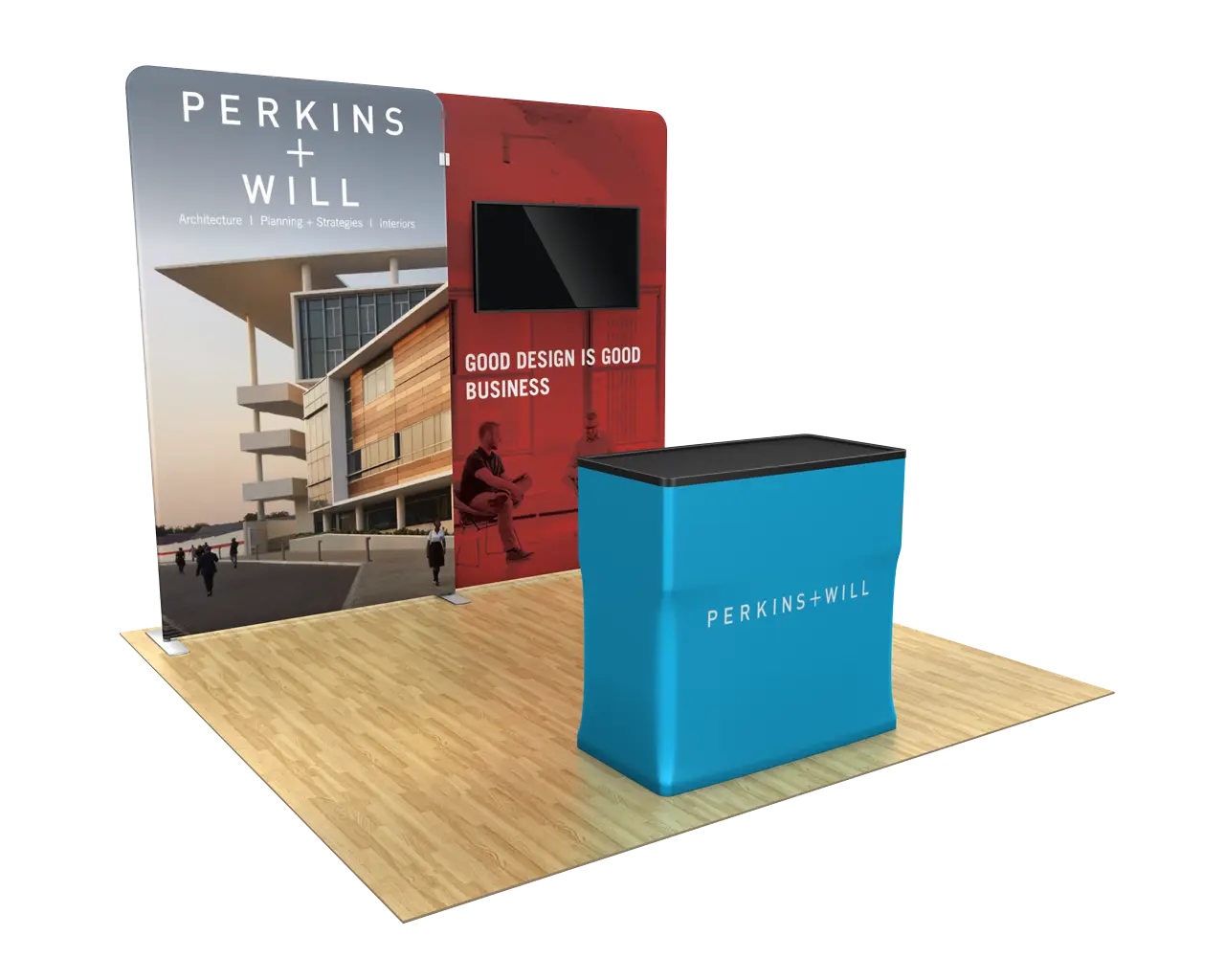
Portable Trade Show Displays carries its own structural and freight implications, and Tucson's venue rules tend to expose those implications quickly. That is why this footprint deserves a dedicated page rather than a generic mention.
Pima Air & Space Museum is a useful reference because it shows how venue context changes the plan. Official private-event section says the museum can accommodate groups up to 300 guests.
Associations and education groups using University of Arizona and downtown venues often reaches sections like this while trying to line up scope, budget, and timing at once. the value of the section is operational clarity: it helps the buyer understand what gets decided first, how the category behaves in Tucson, and what other sections are worth reading next.
What matters first in Portable Trade Show Displays
- Sequence install for Portable Trade Show Displays against the labor call the venue requires, not a contractor-preferred crew size.
- The booth should fit the realities of Pima Air & Space Museum and the buyer journey happening in Flowing Wells.
- Fabrication, rental, and graphics dependencies should be resolved before install labor is locked.
- How attendees enter, demo, queue, and exit should be mapped so the booth performs as well as it photographs.
- Strike planning should begin early so the same booth type can be reused cleanly across future shows.
What drives the Tucson calendar
Tucson runs one of the busiest trade show calendars in the region. Convention weeks stack close together, hotel blocks compete for the same nights, and the venues themselves shape what is possible on the floor.
Exhibitors pulling back on budget in Tucson still have to show up in the same booth neighborhoods as their competitors. Scope gets tighter; standards don't. the booths that land well are the ones built on a specific plan, not a generic template.
The venue mix in Tucson ranges from dedicated convention halls to hotel ballrooms and private event spaces. Booth requirements change across that mix — a convention-hall island looks and installs nothing like a hotel-ballroom inline — so the choice of venue drives a lot of downstream scope.
The buildings that host Tucson events
Different Tucson venues mean different floor plans, different labor rules, and different freight realities.
A venue walk — either in person or via the published floor plan — is the step that reveals constraints no spec sheet shows. Column spacing, real ceiling height at the grid point, and dock access shape what's actually buildable.
How Tucson floor operations work
Labor in Tucson runs venue-by-venue, not citywide. Each building publishes its own rules for who handles what on the floor.
The workable version of Tucson labor planning is boring on purpose: read the manual, match the scope to its categories, order what the venue sells directly, and schedule everything else around its posted windows. Surprises almost always trace back to a step someone skipped.
Line items on a typical project
Portable trade show displays projects typically include design work, fabrication or rental sourcing, graphics production, show-service paperwork, freight, install, show-hours coverage, and strike.
Typical line items include booth structure (custom or rental), graphics and print, AV and lighting, show-service orders (power, internet, rigging), labor calls against the venue's rules, freight both ways, on-site supervision, and post-show closeout documentation.
The handoffs on a portable trade show displays project matter almost as much as the line items. Design has to hand a build-ready drawing to fabrication. Fabrication has to hand a pre-built, dry-fitted booth to crating. the crater has to hand a labeled, manifested shipment to the carrier. Every handoff is a place quality can drop.
For programs that repeat, asset management becomes part of the engagement — storage, graphic rotation, refurbishment, and re-crating are planned rather than one-off.
A clean scope definition also calls out what isn't included: show organizer fees, client staff travel, and anything the client already has under contract (lead capture platforms, CRM integrations, promotional giveaways). Those run alongside the engagement rather than inside it.
How a project runs
Every project starts with a scope conversation: the show, the venue, the booth number, the dates, and the budget frame. Ten minutes of specifics produces a better plan than a week of generalities.
Once scope is clear, the venue work begins. Exhibitor manual, dock times, utility order IDs, rigging submissions for hanging elements, and labor calls all get locked against the venue's actual rules.
Production brings the plan into physical form: fabrication, graphics, AV, rentals, and the named lead who will run the floor.
One named show-site lead runs the install. Not a rotating crew and not a remote account manager — one person holds the floor plan, the punch list, and the labor calls from crates to doors.
Show-hours coverage is part of every engagement — not a premium add-on. On-floor support keeps the booth running while the client team runs the pipeline.
Closeout is tight: strike, crate, manifest, storage designation, and a written post-show report delivered within a day. That document drives the next booking.
What it costs and how fast it moves
An honest quote itemizes the variables. There is not a single price — there is a configuration.
Cost scales with how it is built, how big it is, what the venue charges for its own services, what the graphics look like, how far the crates travel, and how many days the team stays on-site.
On timing: custom builds for Tucson shows run best with 16 to 20 weeks of lead time. Rental programs run on 8 to 12. Anything inside 4 weeks is a rush, which means fewer options and a premium on materials.
How project performance gets measured
A project runs well when install clears the venue's published window, all show services land as ordered, the booth performs across every show day without pulling the client team off pipeline work, and strike clears the dock before the next occupant loads in.
Trade show ROI is measured at the lead and pipeline level. the show-floor execution either protects or undermines those numbers.
The post-show debrief is where the numbers get connected back to the physical booth. Which demo station drew traffic, which meeting area closed more conversations, which graphic zone attracted dwell time — that feedback shapes the next build rather than getting lost.
How we're built to run your project
Trade Show Services of Tucson is Tucson's local trade show team, with in-house design, fabrication, graphics, and show-site crews. One shop, one point of contact, one accountable lead on every project.
Local fabrication means real-time problem-solving. a graphic that needs to be reprinted at 6 a.m. on install day is a same-morning fix, not a three-day shipping delay.
Clients who run repeat programs across multiple dates end up paying less per event when the same team handles everything. Less re-briefing, less re-training, less re-checking — the operational overhead drops year over year.
Questions for Portable Trade Show Displays
Do you work at Loews Ventana Canyon Resort?
Yes. Projects at that building are planned against its specific floor rules.
How much lead time is ideal?
Custom builds run best with 16 to 20 weeks of lead time. Rentals take 8 to 12 weeks. Work inside 4 weeks is possible but raises costs and narrows the options.
What information kicks off a project?
The show, the venue, the booth number, the dates, and a target budget range. From those, an initial scope and a realistic cost come back within a few days.
Who runs the booth on-site?
One named show-site lead runs the install, the show hours, and the strike. That person carries the floor plan and the punch list from crates to doors and reports up once a day.
Can the booth travel to the next city on our calendar?
Yes — builds are designed for modular reuse unless single-use scenic is specifically required. Same structure, swappable graphics, standard crates. Tucson programs that roll to another city on the same calendar get handled end to end.
What happens if something breaks during show hours?
The on-site lead handles it. Minor repairs happen in place; anything larger gets sourced from the local shop or rerouted through the venue's service desk.